

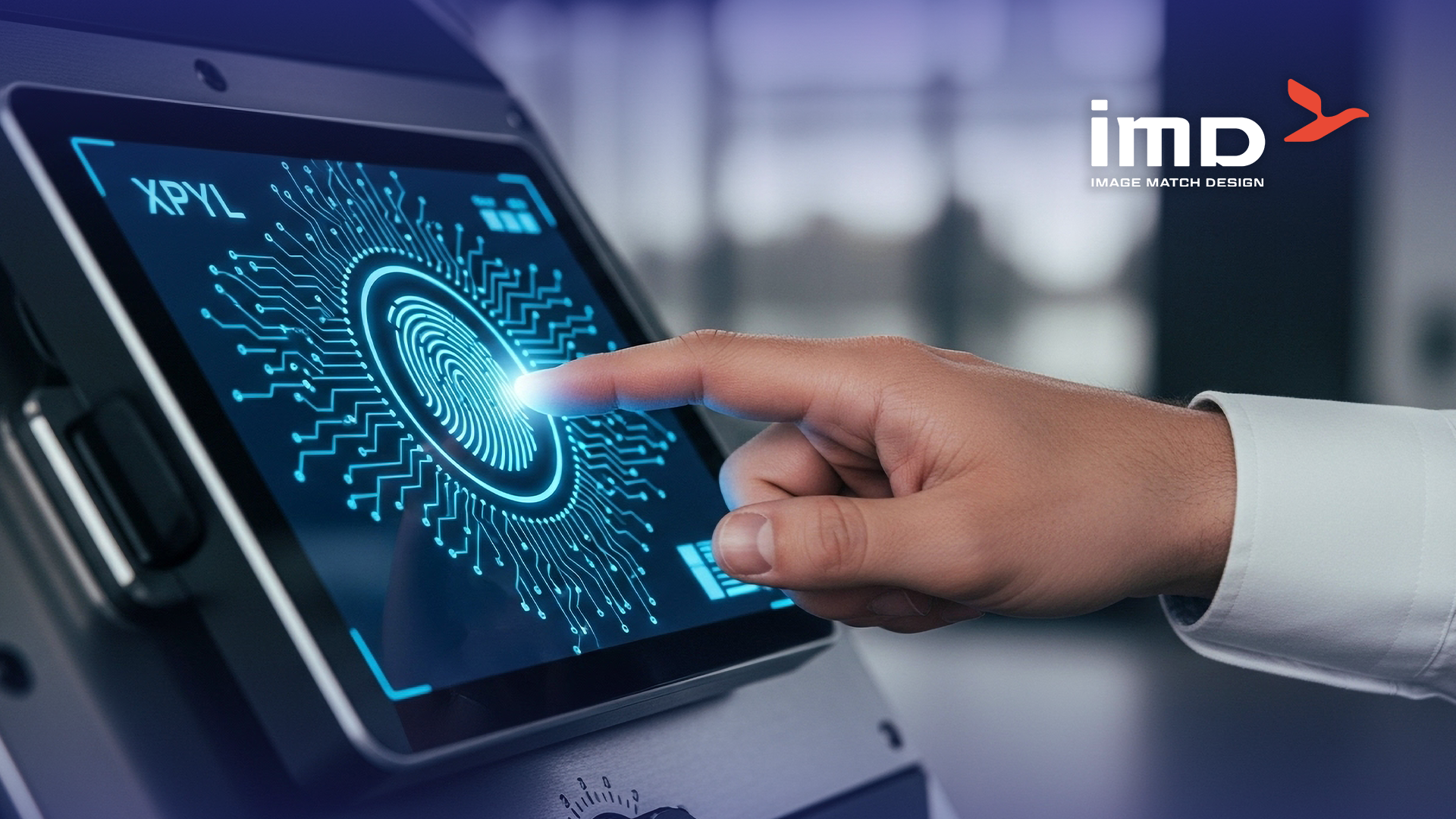
Revolutionizing Border Control: How AI and Biometrics are Redefining Security
Estimated Reading Time: 8 minutes
Key Takeaways
- AI and biometrics are reshaping border security through advanced technologies.
- Efficient identity verification processes minimize wait times and enhance security.
- Challenges such as bias and ethical concerns must be addressed as technologies evolve.
Table of Contents
- Introduction to AI and Biometrics in Border Control
- The Problem: Traditional Border Control Limitations
- Key Implementations and Examples
- Anti-Spoofing and AI Enhancements
- 2025 Trends and Benefits
- Conclusion: The Future of Border Control
- FAQ Section
Introduction to AI and Biometrics in Border Control
The integration of artificial intelligence (AI) and biometrics in border management systems marks a profound shift in how countries handle identity verification. Leveraging sophisticated algorithms and recognition technology, border agencies can now enhance operational efficiency while ensuring higher levels of security. In fact, AI-driven biometrics facilitate rapid identity verification processes, minimizing wait times and reducing the risk of fraudulent activities.
The Problem: Traditional Border Control Limitations
Old-style border controls often involve lengthy queues, manual identity checks, and a high potential for human errors. With international travel on the rise, these outdated systems can hamper efficiency, leading to frustrated travelers and overstretched personnel. Additionally, issues such as document forgery and visa overstays have posed significant challenges.
As a response, border control agencies are turning to innovative solutions. AI and biometrics present a multifaceted approach that not only tackles these challenges but also introduces liveness detection and multi-factor identification modalities, thus enhancing the security of the verification processes.
Key Implementations and Examples
U.S. Customs and Border Protection (CBP)
The U.S. Customs and Border Protection (CBP) has already adopted AI technologies to initiate change in how borders are secured. They are implementing AI for:
- Cargo Screening
- Identity Validation
- Biometric Facial Comparison
CBP's ambitious program is designed to transition to universal facial recognition for non-citizens at all points of entry, including air, sea, and land borders, achieving remarkable accuracy of 97%. Furthermore, U.S. citizens retain the option to opt-out of this requirement, providing a critical balance between security and personal privacy.
With pilots running at 57 major airports, advanced technologies like iProov’s EPP are used to compare travelers’ faces against passport photos instantly. This technology addresses staffing shortages while significantly cutting down wait times for non-citizens.
European Union and Global Systems
The European Union is in the process of launching the European Travel Information and Authorization System (ETIAS), slated for operation by mid-2025. ETIAS employs AI for pre-departure risk assessments focused on visa-exempt travelers headed to the Schengen area, aiming to weed out potential threats before they even arrive.
In Dubai, the innovative Smart Tunnel employs machine learning algorithms for biometric recognition, enabling the processing of passengers in less than 15 seconds—without needing any documentation.
Commercial Solutions
Commercial innovation is playing a critical role in advancing AI-powered border control, with solutions designed specifically for high-security and high-throughput environments.
iMD (Image Match Design Inc.) delivers biometric technologies purpose-built for government, border control, and law enforcement applications, focusing on speed, accuracy, and operational reliability.
iMD's biometric solutions leverage advanced AI algorithms and its proprietary MatriXcan™ technology, enabling high-performance identity verification even in challenging conditions such as wet fingers, worn fingerprints, or high-volume traveler flows. This makes iMD solutions particularly well-suited for border checkpoints, immigration control, and national security deployments.
By combining AI-enhanced fingerprint recognition with robust anti-spoofing mechanisms, iMD systems significantly reduce false acceptance rates while maintaining fast processing times. These solutions are optimized for integration into existing border infrastructure, supporting seamless interoperability with e-gates, mobile inspection units, and centralized identity management platforms.
Unlike consumer-focused biometric tools, iMD's commercial offerings are designed with a strong emphasis on sovereign control, data security, and deployment flexibility, allowing authorities to maintain full ownership of biometric data while benefiting from AI-driven performance improvements. This positions iMD as a trusted technology partner for governments seeking scalable, future-ready border control solutions.
Anti-Spoofing and AI Enhancements
The intersection of AI and biometrics presents substantial improvements in facial recognition technologies, particularly through advanced liveness detection systems. These systems are designed to distinguish between genuine human faces and spoof attempts using photos or masks, significantly reducing risks associated with identity fraud.
Multi-Factor Biometrics
Multi-factor biometrics enhance the reliability of identifications by combining various biometric modalities, such as iris scans during challenging conditions. This multi-pronged approach enhances security even further, as evident in initiatives led by institutions like the USC Viterbi School of Engineering.
Moreover, the implementation of real-time behavioral analytics and edge AI technologies allows for active threat detection without disrupting overall border operations.
2025 Trends and Benefits
As we look toward the future of border control, several trends emerge from the adoption of AI and biometric technologies:
Efficiency Gains
- Reduced Processing Times: Advanced systems can cut processing times down to mere seconds.
- Queue-Free Travel: With a streamlined process, travelers can experience a significant reduction in wait times, transforming the travel experience.
- Scalable Solutions: Enhanced systems can manage higher volumes of travelers, preparing jurisdictions for large-scale events like the 2026 FIFA World Cup.
Ethical Advances
With the focus on incorporating technologies comes an acute awareness of data privacy and user control. COVID-19 has also shifted perceptions towards contactless solutions, now becoming a preferred option for many travelers.
Challenges and Considerations
While advancements are promising, challenges persist. Key areas of concern include:
- Accuracy Disparities: Monitoring how systems perform across different demographic groups remains crucial to prevent bias.
- Mission Creep: The extensive collection and analysis of biometric data raise questions around ethical guidelines and potential misuse.
Interestingly, data released by CBP has shown no evidence of demographic bias in their systems, providing a silver lining amidst concerns.
Conclusion: The Future of Border Control
The integration of AI and biometrics in border security offers a glimpse into a future where travel is streamlined, secure, and user-friendly. With the capacity to enhance operational efficiency while addressing safety concerns, these technologies are set to revolutionize how nations manage border security.
As agencies like CBP and international bodies continue to innovate, it’s essential to ensure that ethical considerations remain at the forefront. Balancing the need for security with respect for individual rights will be a pivotal challenge as we embrace these transformative technologies.
In the coming years, the vision of predictive, AI-driven border management will make travel safer and more accessible, setting a new standard for global security practices. As more jurisdictions realize the benefits of this technological convergence, the potential for frictionless international travel will turn from aspirational to reality.
Ready to step into the future of travel? The remarkable advancements in AI and biometrics will define the next generation of border control—ensuring our journeys are both easier and safer.
FAQ Section
Q: What are biometrics?
A: Biometrics refer to unique physical or behavioral characteristics used to identify individuals, such as fingerprints, facial recognition, and iris scans.
Q: How does AI improve border security?
A: AI enhances border security by automating identity verification processes, allowing for faster processing times, improved accuracy, and reduced human error in decision-making.
Q: What is liveness detection?
A: Liveness detection is a biometric security measure that determines whether the person attempting to gain access is a live individual rather than a photograph or mask.
Q: What are the ethical concerns surrounding AI in border control?
A: Major ethical concerns include potential biases in biometric systems, privacy issues regarding data collection, and the possibility of misuse of biometric information.
Q: How can I expect my travel experience to improve in the future?
A: With advancements in AI and biometrics, travelers can look forward to reduced wait times at borders, seamless verification processes, and enhanced overall safety during their journeys.